
The winter solstice is more than a celestial event—it’s a profound moment shared by humanity across millennia. As the sun reaches its lowest point, gifting us the shortest day and longest night of the year, cultures worldwide have paused to find meaning in the darkness and hope in the promise of returning light.
This annual pivot is a powerful time for introspection, release, and setting intentions for the new cycle ahead.
These quotes, drawn from poets, philosophers, and ancient traditions, serve as guiding stars. They help us articulate the unique peace, quiet magic, and resilient hope that the solstice season inspires.
Let these words warm your spirit as we explore their meanings and the timeless traditions from which they spring.
The Deep History of the Shortest Day

The urge to mark the solstice is ancient, connecting us to our ancestors through stone, story, and shared wonder.
- Ancient Alignments: Over 5,000 years ago, Neolithic people in Ireland constructed the massive tomb at Newgrange. Its entrance is perfectly aligned so that at dawn around the winter solstice, a narrow beam of sunlight illuminates its inner chamber—a dazzling testament to their reverence for the sun’s rebirth.
- Roman Revelry: The ancient Romans celebrated Saturnalia, a week-long festival preceding the solstice. It was a time of feasting, role reversal, and social merriment where enslaved people were temporarily freed, and all work ceased, honoring Saturn, the god of agriculture.
- Norse Yule: In Scandinavia, the Norse observed Yule. Families would haul a large Yule log indoors, lighting one end to burn for up to twelve days. They believed each spark from the fire represented a new pig or calf to be born in the coming year, symbolizing light and future prosperity.
- Global Celebrations: 🌎 From the Inca’s Inti Raymi for the sun god Inti in Peru to Persia’s Shab-e Yalda (Night of Birth), where families read poetry and eat pomegranates to welcome the dawn, the solstice has universally been a turning point of hope.
- Celtic Myth: Irish mythology frames the solstice as a cosmic battle. The Oak King (light) defeats the Holly King (darkness), ensuring daylight’s gradual return—a vivid story explaining the sun’s journey.
Quotes on Embracing the Stillness and Darkness
Winter’s quiet is not empty but full of potential. These quotes honor the deep introspection and fertile peace of the season.
- “Winter is the time for comfort, for good food and warmth, for the touch of a friendly hand and for a talk beside the fire: it is the time for home.” — Edith Sitwell
- “This is the solstice, the still point of the sun, its cusp and midnight, the year’s threshold and unlocking, where the past lets go and becomes the future.” — Margaret Atwood
- “And don’t think the garden loses its ecstasy in winter. It’s quiet, but the roots are down there riotous.” — Rumi
- “The quieter you become, the more you are able to hear.” — Rumi
- “In the winter she curls up around a good book and dreams away the cold.” — Ben Aaronovitch
- “Winter is a season of recovery and preparation.” — Paul Theroux
- “There is an instinctive withdrawal for the sake of preservation… Winter is a season unto itself.” — Haruki Murakami
- “All is known in the sacredness of silence.” — Rumi
- “Winter kept us warm, covering Earth in forgetful snow.” — T.S. Eliot
- “Outside, snow solidified itself into graceful forms. The peace of winter stars seemed permanent.” — Toni Morrison
- “I pray this winter will be gentle and kind, a season of rest from the wheel of the mind.” — John Geddes
- “Snow falling soundlessly in the middle of the night will always fill my heart with sweet clarity.” — Novala Takemoto
- “Snow brings a special quality with it—the power to stop life as you know it dead in its tracks.” — Nancy Hatch Woodward
Quotes Celebrating Hope and the Return of Light
The solstice is fundamentally a celebration of light’s victory over darkness. These quotes capture that enduring hope.
- “In the depth of winter, I finally learned that within me there lay an invincible summer.” — Albert Camus
- “Let us love winter, for it is the spring of genius.” — Pietro Aretino
- “Winter solstice has always been special to me as a barren darkness that gives birth to a verdant future beyond imagination.” — Gary Zukav
- “If we had no winter, the spring would not be so pleasant: if we did not sometimes taste of adversity, prosperity would not be so welcome.” — Anne Bradstreet
- “The color of springtime is in the flower; the color of winter is in the imagination.” — Terri Guillemets
- “As of tomorrow, the days begin to get longer… let us all bring more light and compassion into the world.” — Dacha Avelin
- “Even the strongest blizzards start with a single snowflake.” — Sara Raasch
- “Kindness is like snow; it beautifies everything it covers.” — Kahlil Gibran
- “Maybe you have to know the darkness to appreciate the light.” — Madeleine L’Engle
- “Snowflakes are one of nature’s most fragile things, but just look at what they can do when they stick together.” — Vesta M. Kelly
- “Today we celebrate light and honor the wisdom of the shadows.” — Dacha Avelin
- “One kind word can warm three winter months.” — Japanese Proverb
Quotes on the Magic and Tranquil Beauty of Winter
Winter transforms the world into a serene, magical landscape. These quotes reflect on its unique, hushed beauty.
- “The first fall of snow is not only an event, it is a magical event. You go to bed in one kind of a world and wake up in another quite different.” — J.B. Priestley
- “What good is the warmth of summer, without the cold of winter to give it sweetness.” — John Steinbeck
- “I wonder if the snow loves the trees and fields, that it kisses them so gently? And then it covers them up snug, you know, with a white quilt…” — Lewis Carroll
- “The snow doesn’t give a soft white damn whom it touches.” — E.E. Cummings
- “Snow had fallen steadily all night long and in the morning I woke in a room filled with light and silence, the whole world seemed to be held in a dream-like stillness.” — Raymond Briggs
- “The snow sparkling like a million little suns.” — Lama Willa
- “When snow falls, nature listens.” — Antoinette Van Kleef
- “To appreciate the beauty of a snowflake it is necessary to stand out in the cold.” — Aristotle
- “No snowflake ever falls in the wrong place.” — Zen Proverb
- “Winter, a lingering season, is a time to gather golden moments, embark upon a sentimental journey, and enjoy every idle hour.” — John Boswell
- “Winter is not a season; it’s a celebration.” — Anamika Mishra
- “The first snow is like the first love.” — Lara Biyuts
- “Children make snowballs to submit the blank matter of snow to human form.” — Jean-Paul Sartre
Annie Dillard’s Profound Solstice Meditation

Writer Annie Dillard offered a deeply philosophical take on the winter solstice, seeing it as a time to confront life’s biggest mysteries.
- The Cosmic Tilt: Dillard begins by noting the planet’s position: “The planet tilts just so to its star, lists and holds circling in a fixed tension between veering and longing…” framing the solstice as a moment of cosmic balance.
- Confronting Beauty and Loss: She observes the stark winter landscape and ponders if beauty is “an intricately fashioned lure, the cruelest hoax of all?” before affirming, “Beauty is real. I would never deny it…” acknowledging its profound, sometimes painful, truth.
- The Gift of “Gaps”: Dillard describes the solstice as a “gap”—a fissure in normal life. “Go up into the gaps. If you can find them… Squeak into a gap in the solid, turn, and unlock—more than a maple—a universe.” This is an invitation to seek solitude and revelation in winter’s pause.
- The Outrageous Guarantee: She reflects on life’s impermanence, writing that our needs are guaranteed, but not as the world gives. This spiritual catch, when understood, can catch you up and transform you in unexpected ways.
- Ending with “Thank You”: Dillard concludes that the ultimate prayer is not “please” but “thank you,” like a guest thanking a host. She sees the universe as created in “solemn, incomprehensible earnest,” urging us to walk fearlessly, carrying our vision like a precious coal.
Winter Solstice Traditions from Around the World
Modern celebrations are rich tapestries woven from ancient customs. Here’s how the solstice is honored globally.
- Ireland’s Newgrange: Each year, a lottery awards 20 people the chance to stand inside the 5,000-year-old tomb at sunrise to see the solstice beam. Thousands more gather outside in a powerful communal experience.
- Japan’s Toji: People take yuzu citrus baths (yuzuyu) to ward off colds and promote health, while eating kabocha squash for good luck. Bonfires are lit on Mount Fuji to encourage the sun’s return.
- Iran’s Shab-e Yalda: Families stay up all night, sharing nuts, pomegranates, and reading poetry from Hafiz to protect each other from evil and celebrate the sun god Mithra’s triumph over darkness.
- China’s Dong Zhi: Meaning “Winter Arrives,” this festival is a family reunion time. In the south, people eat tang yuan (sweet rice balls) for unity, while northerners enjoy dumplings, remembering a legend about keeping children’s ears warm.
- Scandinavia’s St. Lucia’s Day: On December 13th, girls wear white dresses with red sashes and candle wreaths on their heads, blending Christian martyrdom with older Norse traditions of lighting fires against the dark.
- Hopi & Zuni Soyal: Native American Pueblo peoples, like the Hopi and Zuni, hold elaborate ceremonies involving fasting, prayer, sun-watching, and the dancing of kachina spirits to welcome the sun back and ensure the world’s order.
- Modern “Hygge” Influence: While not ancient, the global embrace of the Danish concept of hygge—creating cozy, convivial contentment—perfectly captures the modern solstice spirit of finding light and warmth within the home and self.
A Modern Guide to Winter Solstice Rituals
You don’t need an ancient stone circle to honor the solstice. These simple rituals, inspired by global traditions, help cultivate stillness and intention.
- Create a Cozy, Cleansed Space: Start by decluttering a physical space. Then, dim the lights and light candles (white or blue evoke winter). This act mirrors clearing internal space for new intentions.
- Perform a Release Ceremony: ✍️ Write down a habit, fear, or thought you wish to let go of on a small piece of paper. After expressing gratitude for its lessons, safely burn it in a fireproof dish, saying, “I release what no longer serves me“.
- Light a Solstice Candle: As you light a candle, visualize it as the returning sun and your inner resilience. Speak an intention for the coming cycle aloud, such as “I nurture peace and creativity as the light grows“.
- Hold a Sun Meditation: At noon on the solstice, sit where sunlight falls (even through a window). Close your eyes and visualize golden light filling you with warmth and vitality for the months ahead.
- Share a Seasonal Feast: Prepare and share a warm, nourishing meal with loved ones. Incorporate seasonal ingredients like root vegetables, nuts, and spiced cider, celebrating the earth’s bounty even in dormancy.
- Take a Yuzu or Evergreen Bath: Follow the Japanese tradition by adding citrus slices (like yuzu or orange) to a warm bath, or the European tradition by placing evergreen boughs (like pine or cedar) nearby to symbolize enduring life.
- Keep a Solstice Journal: Use prompts like: What lesson did the darkest part of my year teach me? What is one glimmer of a new beginning I sense? Writing bridges inner reflection and conscious growth.
Indigenous Perspectives on the Solstice
For many Indigenous peoples, observing the solstice is a decolonial act of reconnecting with stolen ancestral knowledge and the natural world.
- A Time for Inward Journey: The solstice is seen as an opportunity to go inward with deep intention, to care for spiritual, mental, and physical well-being in preparation for the longer days.
- Honoring the Sun’s Movement: Actively observing the sunrise and sunset on solstice day is a practice of re-establishing a relationship with the sun’s life-giving power and the natural laws it teaches.
- Community and Kinship: Sharing a healthy, home-cooked meal with loved ones is emphasized as a spiritual act that nourishes community bonds, a core Indigenous value.
- Making Offerings: Practicing reciprocity by giving back—through prayer ties, food offerings, or tobacco—is crucial. It thanks the earth and spiritual world for blessings received.
- Channeling Creative Energy: The solstice is a time to engage in creative acts like beading, painting, or writing, recognizing creativity as a sacred gift and a form of co-creation with the world.
Spiritual and Reflective Winter Solstice Quotes
These quotes delve into the soulful and transformative aspects of the season, connecting the outer darkness to inner light.
- “Spring passes and one remembers one’s innocence. Summer passes and one remembers one’s exuberance. Autumn passes and one remembers one’s reverence. Winter passes and one remembers one’s perseverance.” — Yoko Ono
- “For among these winters there is one so endlessly winter that only by wintering through it will your heart survive.” — Rainer Maria Rilke
- “The heart can get really cold if all you’ve known is winter.” — Benjamin Alire Sáenz
- “In seed time learn, in harvest teach, in winter enjoy.” — William Blake
- “How else could it have occurred to man to divide the cosmos… into a bright day-world and a dark night-world… unless he had the prototype of such a division in himself?” — Carl Jung
- “At the darkest time of year, Lord Yule laid down his beard of snow and cloak of frost and ice to illuminate the gloom.” — Stewart Stafford
- “I would never deny it; the appalling thing is that I forget it.” — Annie Dillard (on the reality of beauty)
- “Walk fearlessly, eating what you must, growing wherever you can… carrying his vision of vastness and might around in his tunic like a live coal which neither burns nor warms him, but with which he will not part.” — Annie Dillard
The Folklore and Mythology of the Longest Night
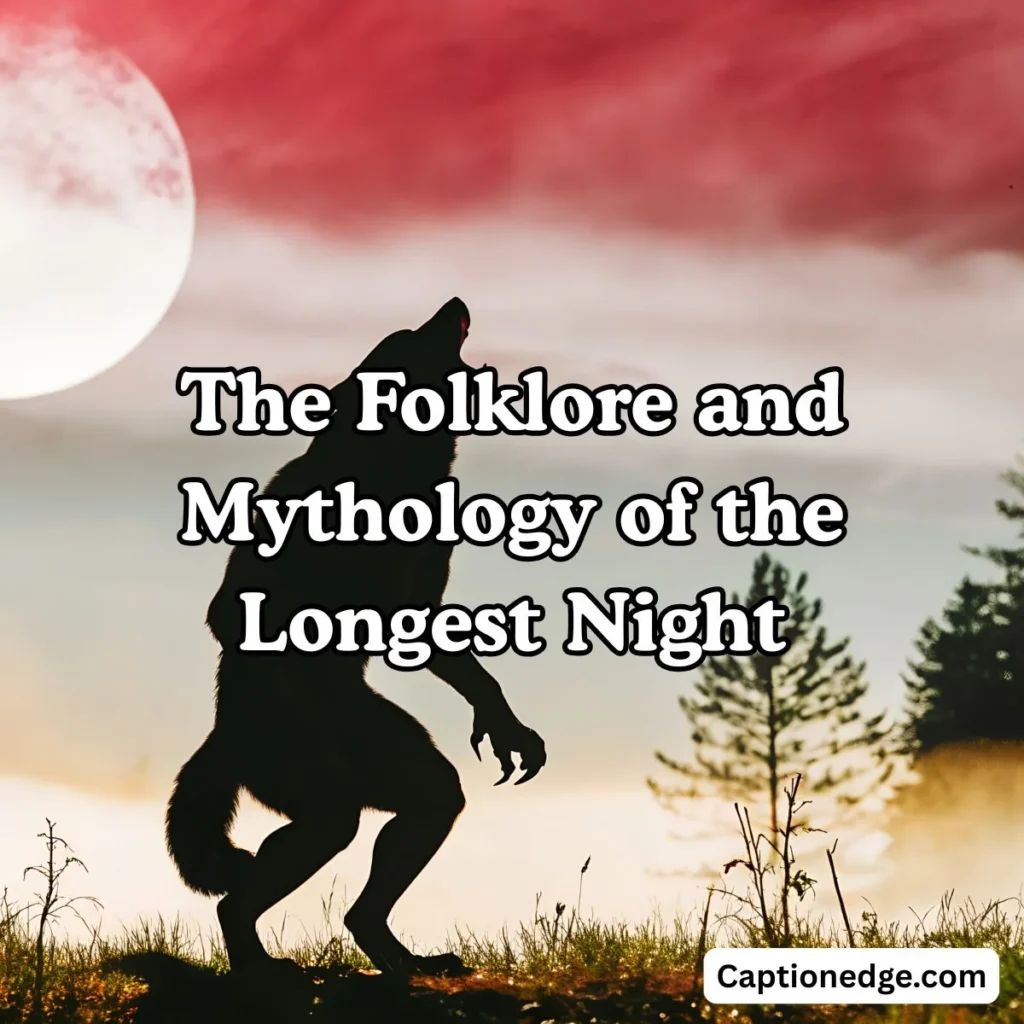
Ancient stories explained the sun’s disappearance with mythical creatures and benevolent spirits, adding a layer of enchantment and caution to the season.
- The Finnish Witch Louhi: In Finnish myth, the wicked witch Louhi kidnaps the sun and moon, hiding them inside a mountain, which directly causes the darkness of winter.
- The Yupik’s Kogukhpak: These Arctic subterranean monsters with bulbous bodies and frog-like legs could only be killed by sunlight. They emerged to hunt on the solstice, with mammoth carcasses said to be those who stayed out too late.
- Greek Kallikantzaroi: These hairy, goblin-like creatures lived underground and sought to cut down the “world tree.” They surfaced during the 12 solstice days. Villagers tricked them by leaving colanders outside; the creatures would try to count the holes until sunrise forced them to flee.
- The Scandinavian Tomte/Nisse: This small, bearded guardian spirit of the farmstead is kinder. He protects animals and children, but expects respect—often a bowl of porridge with butter left out on solstice eve.
- The Italian Befana: A kindly witch or goddess, La Befana flies on her broom during solstice night, leaving candies and gifts for good children, inviting families to place a rag doll in her likeness in the window.
- The Celtic Battle of Kings: The solstice marks the victory of the Oak King (light) over the Holly King (darkness), a mythic explanation for the sun’s gradual strengthening after this pivotal day.
How to Celebrate the Winter Solstice at Home
Blending ancient tradition with modern life creates a deeply personal celebration. Here’s a practical guide.
- Wake for the Sunrise: Set your alarm. Whether you step outside or watch the live stream from Newgrange, witnessing the year’s latest sunrise is a powerful act of welcome.
- Build an Altar: Create a small centerpiece with evergreen boughs (for resilience), pine cones or bare branches (for potential), a white or gold candle (for the sun), and a smooth stone (for grounding).
- Burn a Yule Log: If you have a fireplace, burn a Yule log (oak is traditional). As it burns, reflect on the past year and make a wish for the new. If not, a large candle decorated with carved symbols makes a beautiful substitute.
- Feast with Seasonal Foods: Host a dinner featuring squash soup, roasted nuts, spiced wine, and dark bread. For dessert, consider gingerbread or orange cakes, foods that evoke warmth and sun.
- Storytelling by Candlelight: After dinner, turn off electric lights. Share hopes for the new year, read solstice poetry, or tell stories of personal renewal by candle or firelight.
- Practice Gratitude and Intentions: Go around the table (or do it solo) sharing one thing you release from the old year and one thing you invite into the new. Write them down and place them on your altar.
- Take a Silent Night Walk: Bundle up and take a walk in the darkness. Observe the stars, the moon, the crisp air. This simple act connects you directly to the stillness and majesty of the longest night.
Frequently Asked Questions About the Winter Solstice
What is the spiritual meaning of the winter solstice?
Spiritually, the winter solstice symbolizes hope, rebirth, and the triumph of light over darkness. It’s a sacred time for introspection, releasing the old, and setting intentions for new growth as the sun begins its return. Many view it as a chance to connect with inner stillness and nurture one’s inner light.
How can I wish someone a happy winter solstice?
Simple, heartfelt greetings work best. You can say: “Wishing you a warm and peaceful winter solstice,” “May the returning light bring you hope and joy,” or “Blessed Yule!” (a traditional Pagan greeting for the solstice).
What’s the difference between Yule and the winter solstice?
The winter solstice is the specific astronomical event—the shortest day. Yule is the historical and modern Pagan religious festival that celebrates the solstice, spanning several days around December 21st with traditions like the Yule log and feasting.
Why is the winter solstice important in cultures worldwide?
Before modern science, the sun’s apparent weakening was frightening. Celebrations with fire, light, and feasting were acts of communal faith to encourage the sun’s return and ensure survival. This shared human experience across millennia makes it a foundational cultural event.
Can I celebrate the solstice even if I’m not religious?
Absolutely. The solstice is a natural, astronomical occurrence. Celebrating can simply mean acknowledging the rhythms of nature, taking time for personal reflection, expressing gratitude, and enjoying coziness with loved ones—all secular, meaningful acts.
Conclusion
The winter solstice offers a timeless invitation: to pause in the deepest dark and trust in the inevitable return of light. The wisdom in these winter solstice quotes and the enduring traditions they echo remind us that stillness is not emptiness, but a space for renewal. Whether you honor it by reading poetry, lighting a candle, or simply watching the sunrise, may this sacred turning point bring you peace, clarity, and a heart full of hope for the brighter days to come.
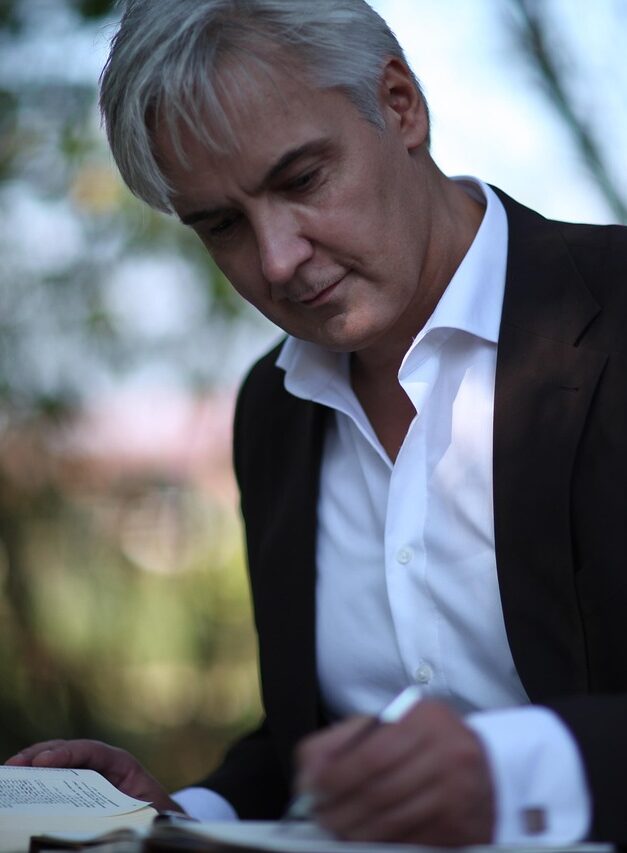
I am Grace Whitmore, a writer and digital creative who believes in the power of words to inspire and connect. Through CaptionEdge.com, I share thoughtful captions, heartfelt quotes, and expressive lines that turn emotions into art. Writing is my way of helping people find the right words to express what they feel — simply, beautifully, and authentically.